This post was updated in July 2020. It was originally my first post on this blog in December 2016. 👴
I’m often asked by many colleagues, friends, or Twitter followers where to start with Amazon Web Services (AWS). In this post, I will try to explain where you should start in 2020.
I’ll try to write this post as I wish I had when I got into this technology in 2016.
Basically, with the number of AWS services today (197 top-level services (April 2020)), you will need to find your path and specialty; you will not become “the” AWS expert. It’s not possible, or you will be a generalist expert…
As in the ancient world, you were not an expert in database administration, networking, hardware, OS, backups, and load balancers. Same here for AWS, except there are even more available tools and services, and counting.
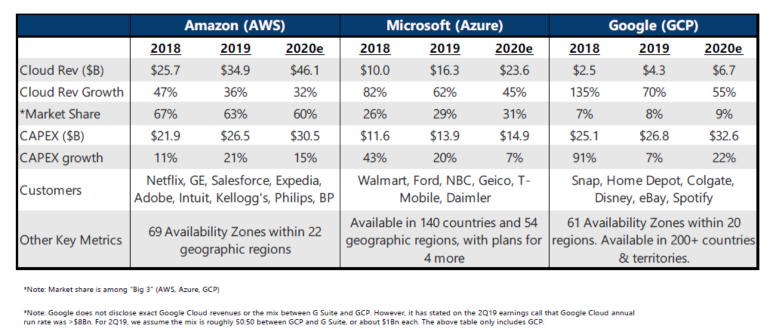
AWS is an awesome big toolbox, made of a myriad of building blocks. The philosophy is: API-first building blocks, a pay-as-you-go model, with a worldwide footprint. It is by far the most used Cloud Service Provider (CSP), with a market share of more than 60% in 2020.
🚀 Jumpstart
To start with AWS, I think you should follow where I started a few years ago: I attended an AWSomeDay (in-person event), an introduction to AWS. The physical version, especially in our pandemic / lockdown period, does not exist anymore, but a similar online presentation exists, as well as replays / equivalent versions on YouTube.
- Official AWSome Day Online Conference
- AWSome Day on YouTube
- Introduction AWS Training 2020 - Full Course
🏃Your path

Next, you will need to find your learning path; there is already a bunch of available learning paths from AWS.
Follow the recommended readiness for your path, e-learning, and complete it with a certification if your goal is to go professional in this direction.
📺 E-Learning
Complete the official learning paths with a third-party e-learning platform, using one of your favorite platforms:
- A Cloud Guru Courses (Especially lectures from: Ryan Kroonenburg)
- Linux Academy (now part of CloudGuru)
- Udemy
📖 Community & Reading list
Today, I’m still using RSS feeds with Feedly, with a large number of blogs and well-known writers. A few of them below.
- Largest AWS community (Slack)
- All Things Distributed from Werner Vogels (CTO of Amazon)
- Cloudonaut Blog
- dev.to
- r/aws/
💌 Newsletters
In 2020, newsletters are making a comeback. A good way to get a digest summary of what is happening on AWS topics once a week, into your mailbox without notification fatigue.
🎧 Podcasts & Audio books
If you are commuting a lot, a good way to stay updated during this “wasted” time is to listen to podcasts or audiobooks.
- Screaming in the Cloud
- Official AWS Podcast
- AWS TechChat
- Cloud Security Podcast
- French Official AWS Podcast
- Audible library on AWS books
:family: AWS & Community events
I highly recommend participating in “in-person” meetings and events. You will find below the nearest events available.
👨🔬 Experiment using Labs
Create your free-tier account, and experiment, experiment, experiment.
🐦 Useful Twitter accounts
Twitter is my main tool to get the latest news in the AWS area. Set up alerts on accounts you find relevant to your interests (but disable Twitter App push notifications).
- Official AWS Lists
- Amazonians List (a side project that crawls Twitter profiles ;))
- AWS Principal Engineers
- Jeff Barr
- Corey Quinn
🎥 Videos channels
Nowadays, a large part of events and conferences are also available for free on YouTube or Twitch.
Finally, if you are still alive at the end of this magic recipe, you may change your mind and open a guest house in the wild. I can understand; I plan to do the same. 🐑🐑🐑

:repeat: Call to actions
If you found it relevant, please share it with your audience or colleagues who want to jump-start on AWS in 2020.
For any interesting links, please feel free to add them in the comments; I’ll keep it updated with your feedback.
That’s all folks!
zoph.